The Camera Gear That Actually Came Out of My Backpack
Before every trip, I convince myself I'll use every piece of camera gear I own.
Every trip teaches me otherwise.
Over the years, I've learned that carrying more equipment doesn't necessarily mean taking better photos.
It usually just means carrying more weight.
For Banff, I packed the gear I knew I would actually use—not the gear I thought I might use.
Every piece had a job.
More importantly, every piece earned its place.
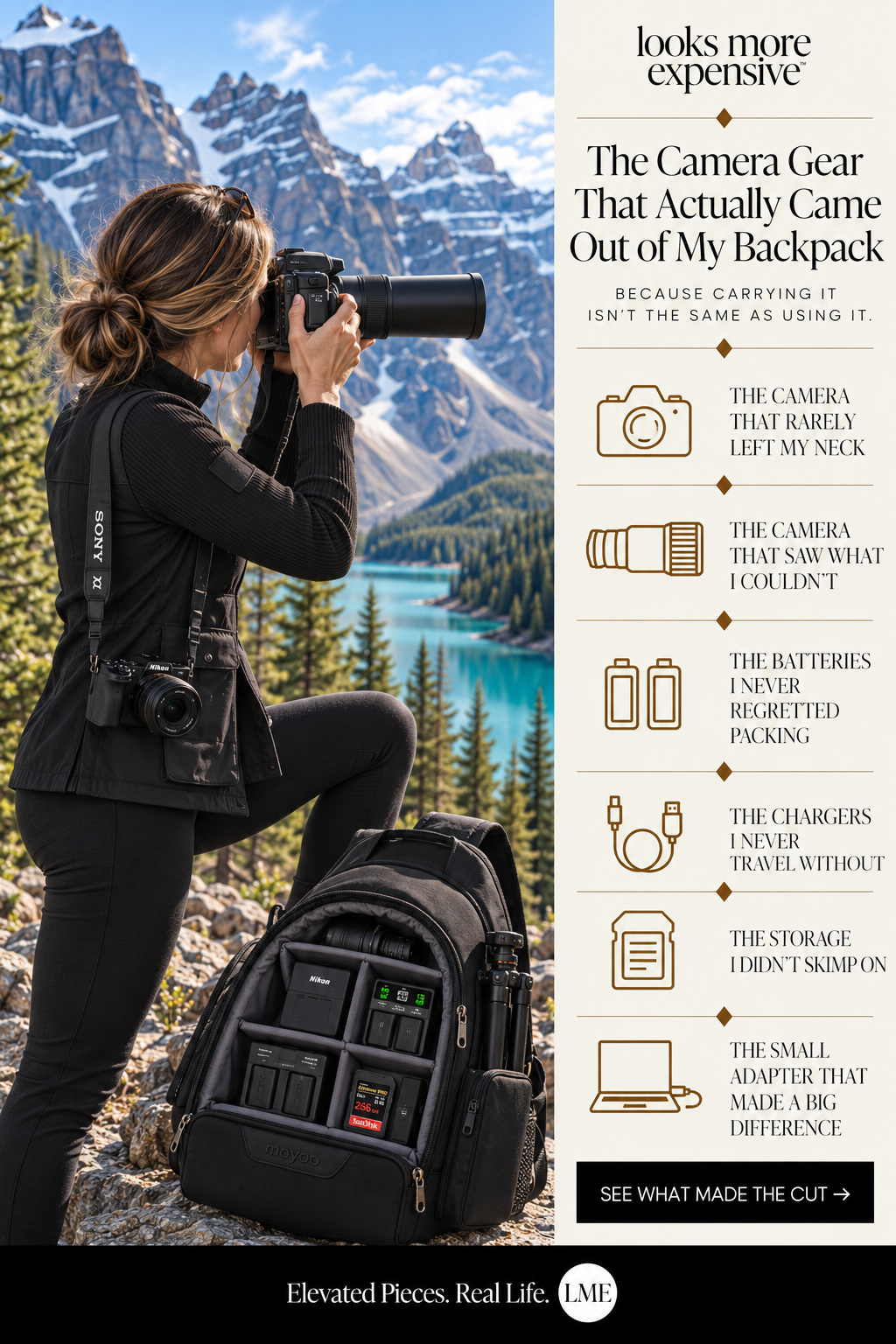
The Camera That Rarely Left My Neck
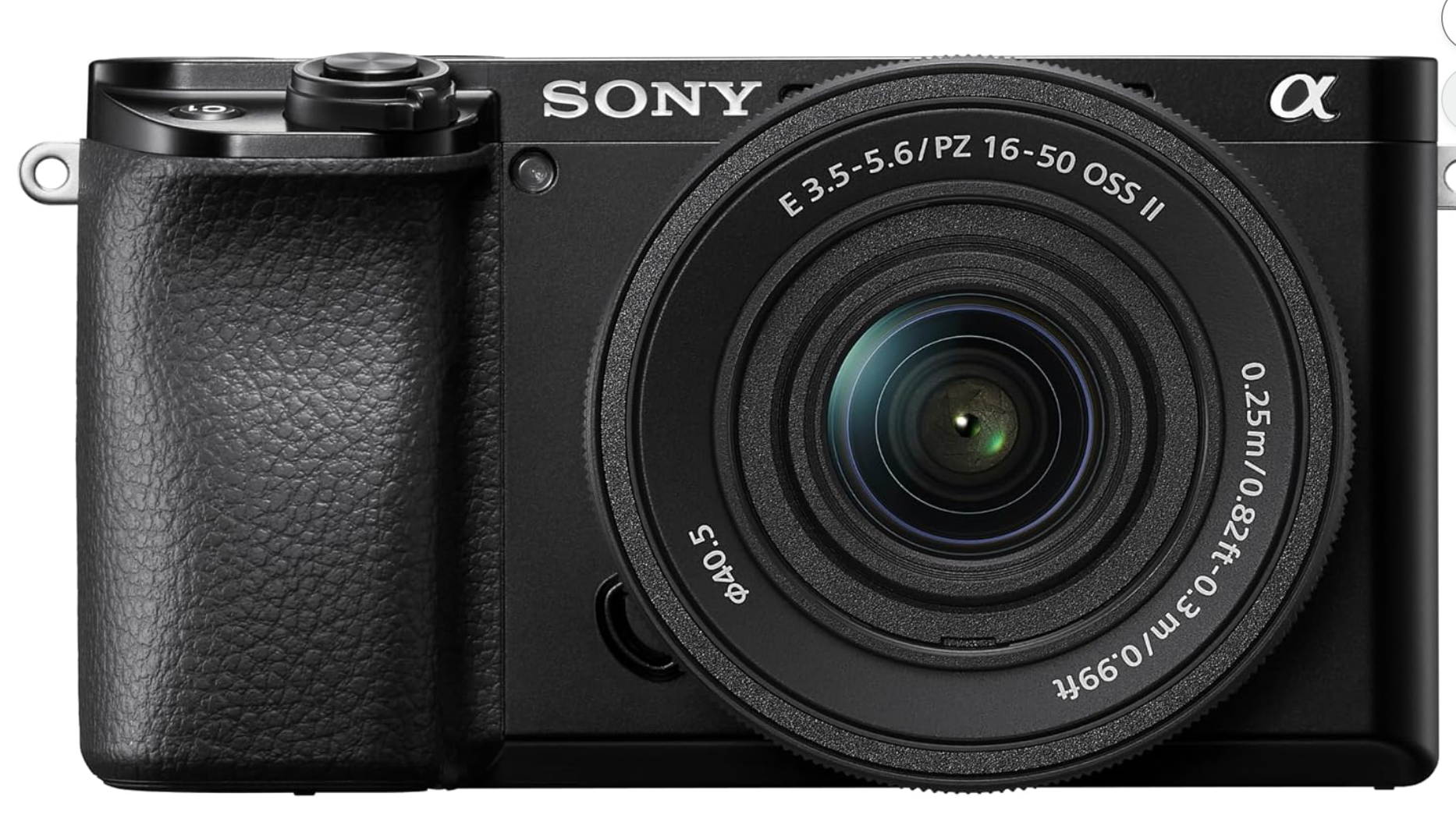
The Sony Alpha a6100 wasn't my landscape camera.
It wasn't my wildlife camera either.
It was my walking around camera.
This was the camera I carried while wandering through Banff, Lake Louise, and the small towns along the way. It's the camera I reached for when I wanted photos of my mom, beautiful hotel lobbies, charming streets, restaurants, and all of the little moments that become some of my favorite memories after a trip.
It doesn't have a huge zoom lens.
In many ways, it simply photographs the world the way your eyes already see it.
And sometimes that's exactly what I want.
It's lightweight enough that carrying it all day never feels like work, which means it spends very little time inside my backpack.
For me, that's far more valuable than owning a bigger camera that never leaves the hotel room.
The Camera That Saw What I Couldn't
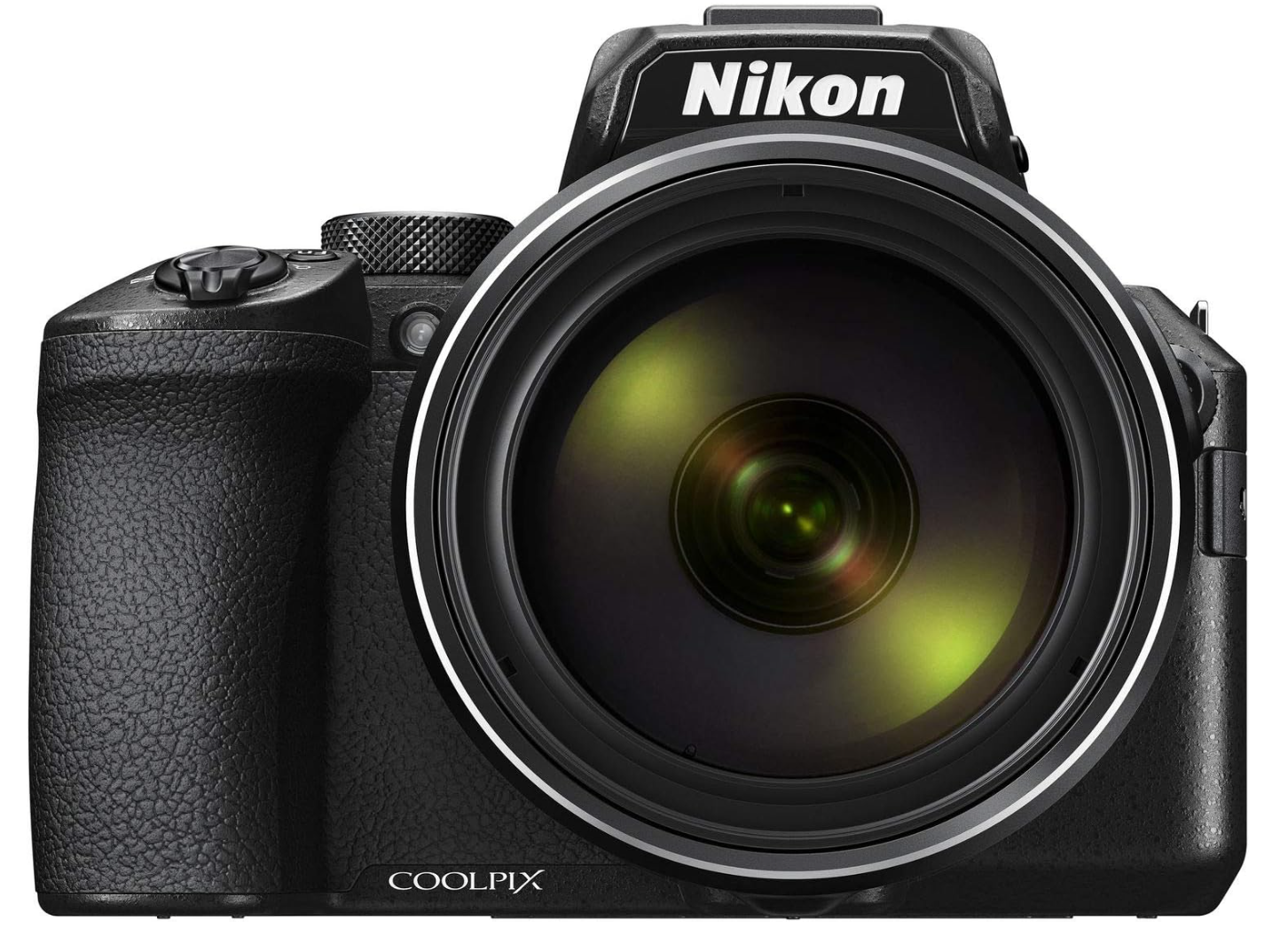
The Nikon COOLPIX P950 is the complete opposite.
This is the camera that comes out when distance becomes part of the story.
Its built-in 83x optical zoom still amazes me.
Wildlife that looked like tiny dots with my own eyes suddenly filled the frame.
Mountain peaks that seemed impossibly far away suddenly revealed textures and details I never would have noticed otherwise.
It's one of those cameras that constantly reminds me how much there is to see beyond what I can naturally observe.
There is one catch, though.
The farther you zoom, the steadier you need to be.
Even the slightest movement can soften an otherwise incredible photo.
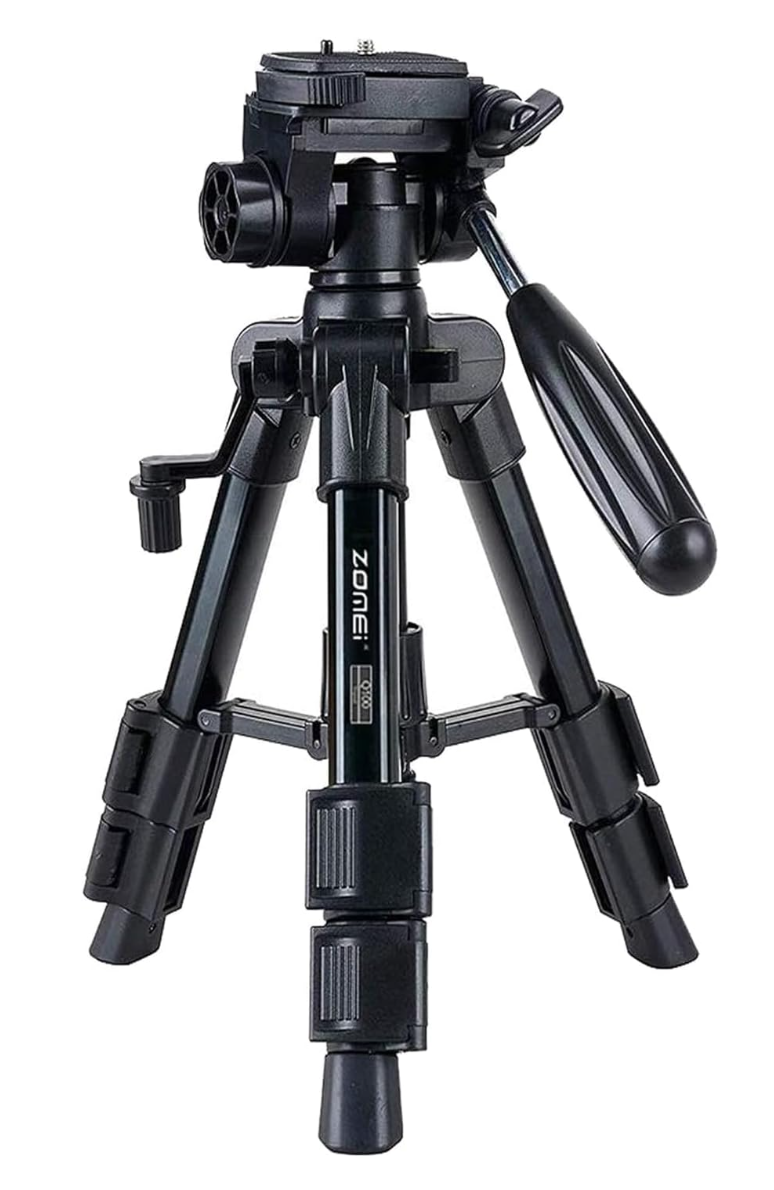
Whenever I knew I'd be photographing wildlife or taking advantage of the camera's incredible zoom, I almost always reached for my compact travel tripod.
It completely changed the experience.
Sharper photos.
Less frustration.
A lot more keepers.
The Batteries I Never Regretted Packing
Running out of battery halfway through a perfect morning is the kind of mistake you only make once.
After that...
You pack extras.
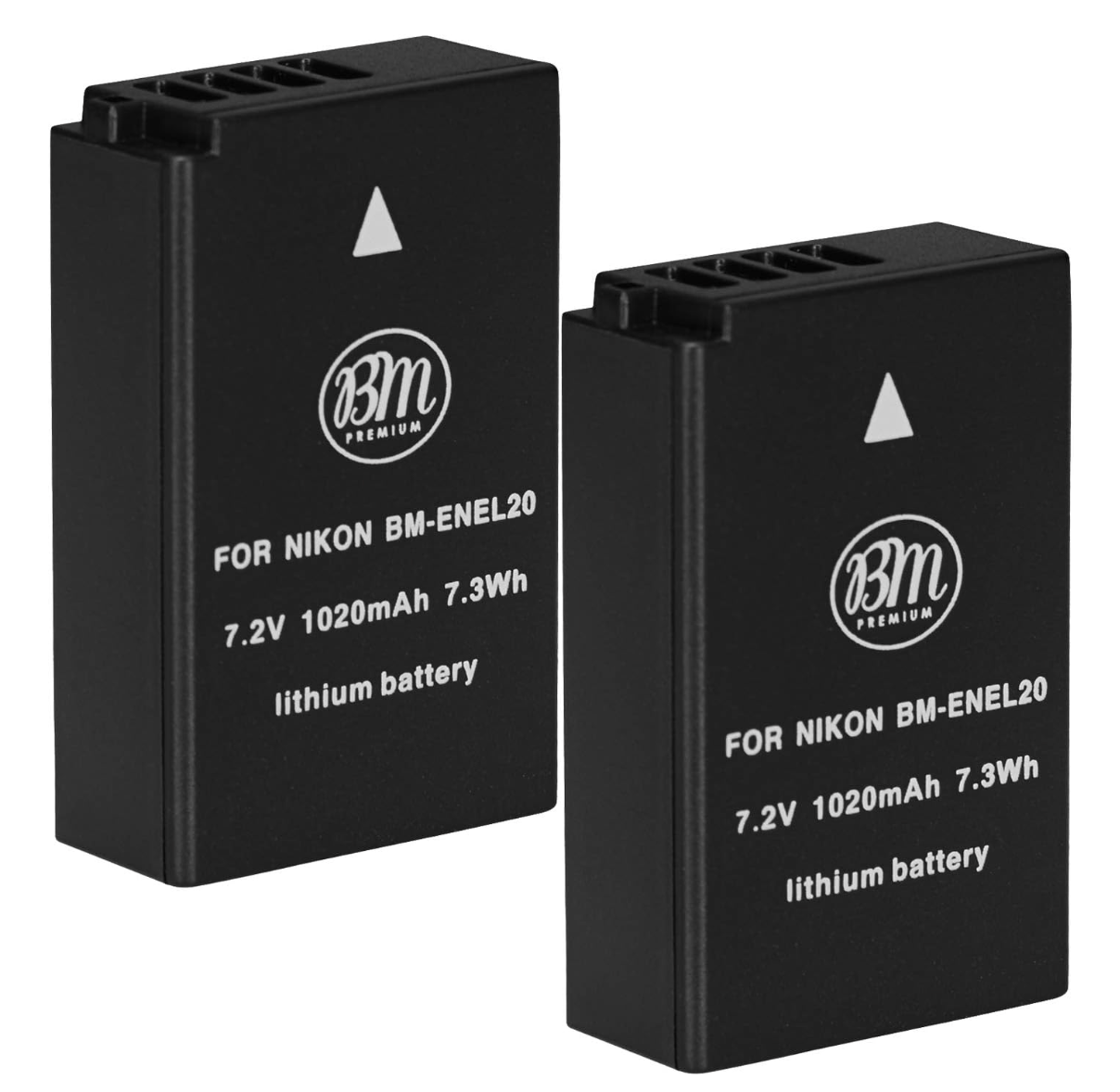
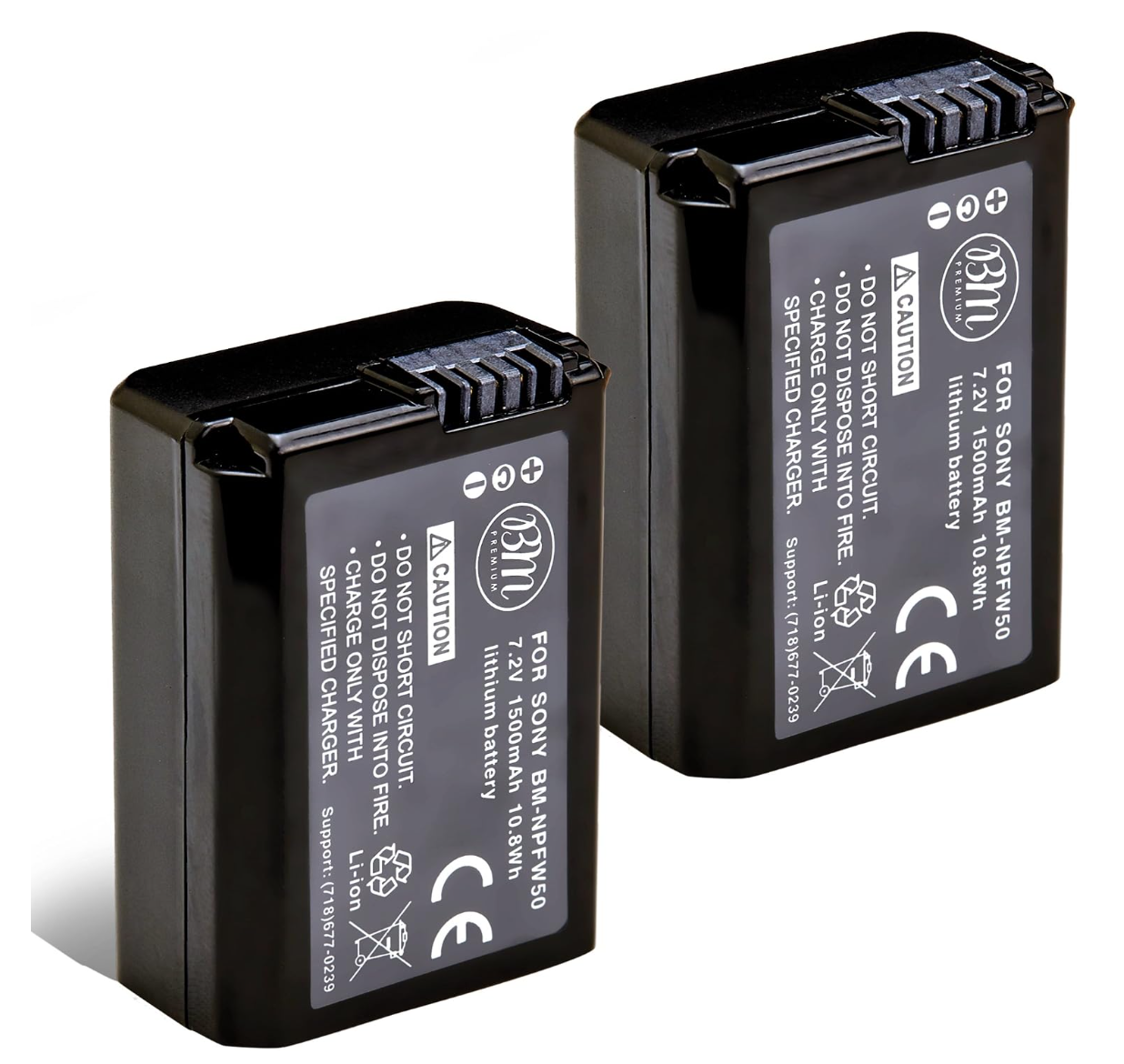
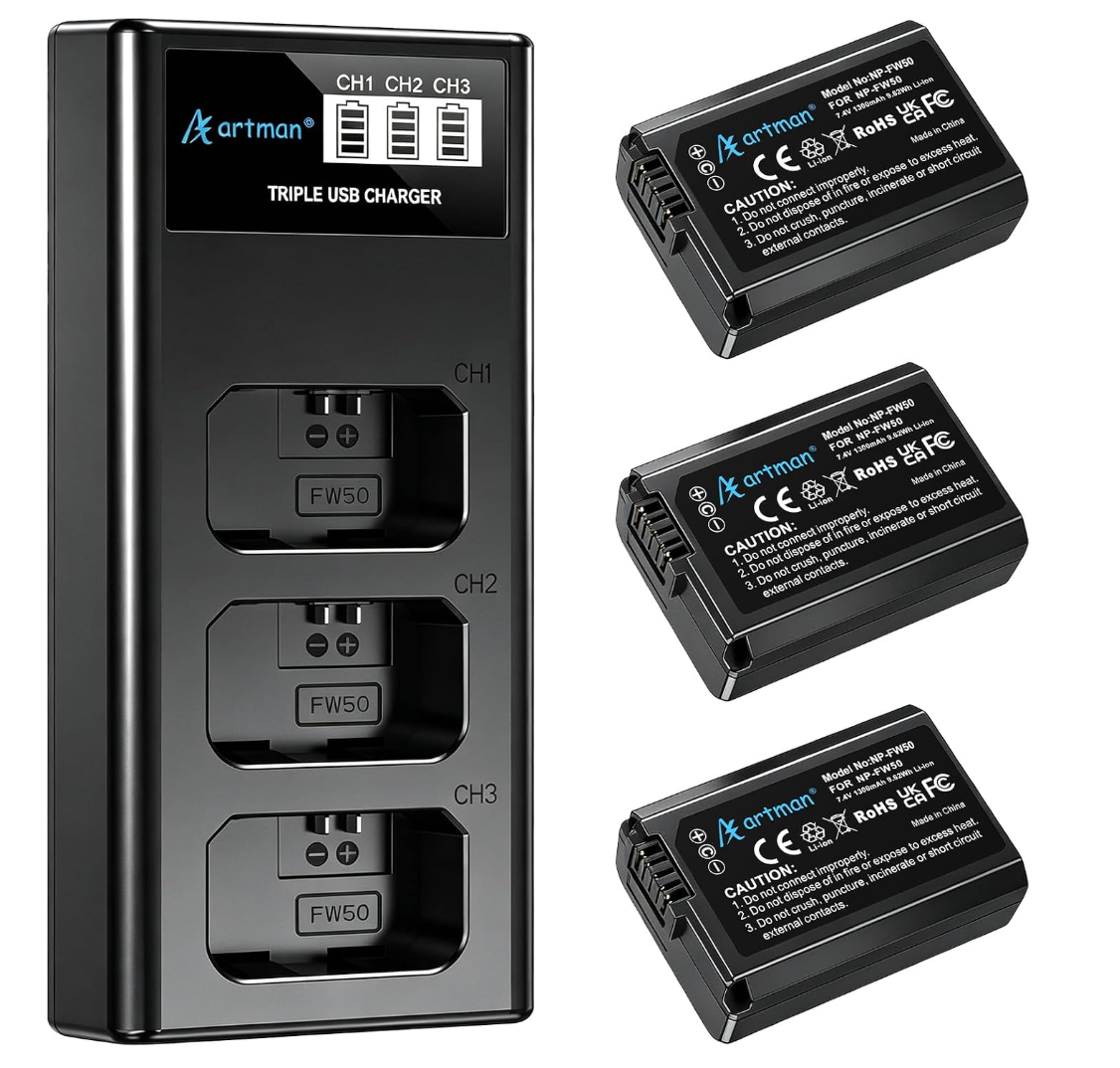
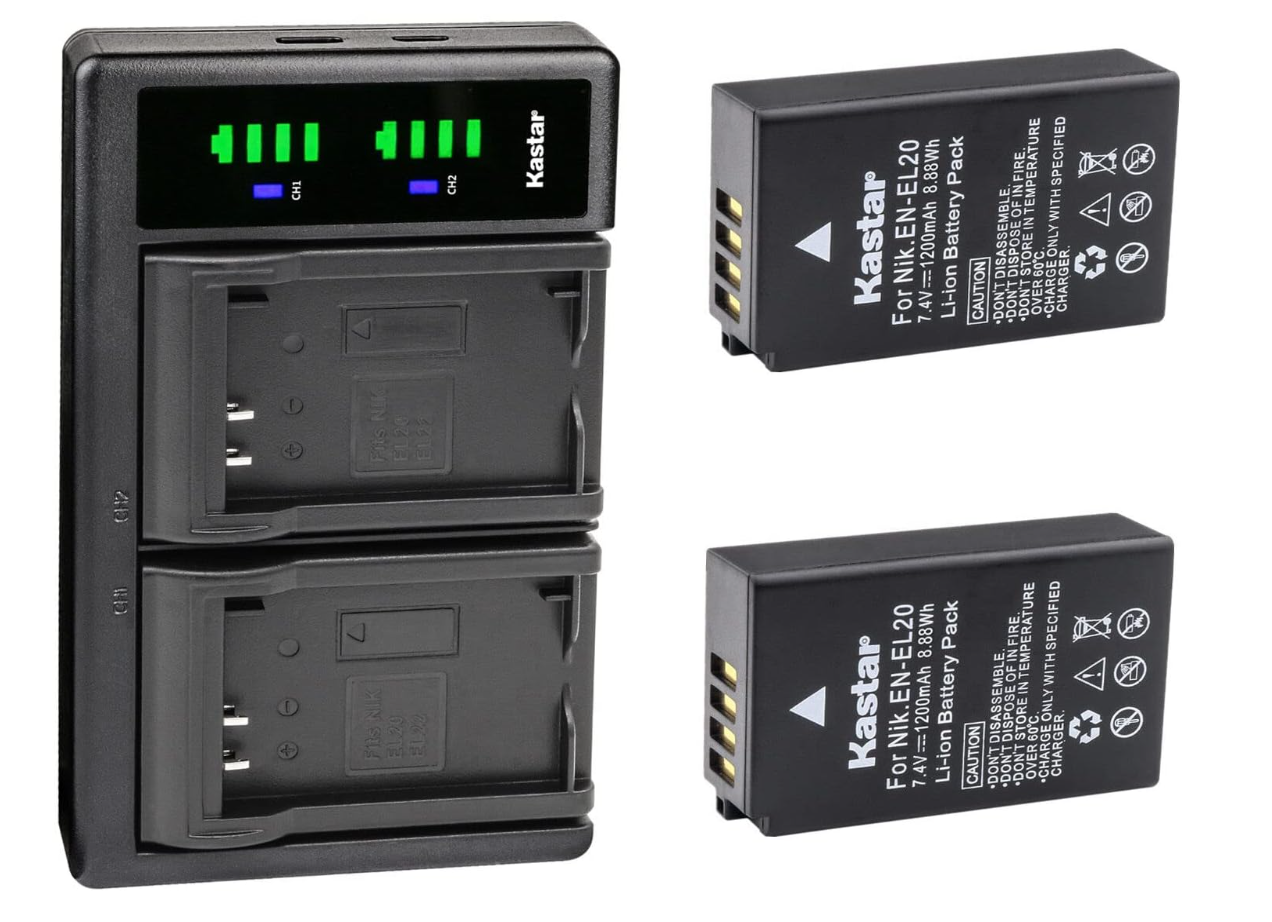
I always travel with multiple fully charged batteries for both the Nikon and Sony.
They weigh almost nothing, take up very little space, and completely eliminate the anxiety of watching the battery indicator creep toward empty while you're still out exploring.
I've never regretted bringing too many.
I have absolutely regretted bringing too few.
The Chargers I Never Travel Without
Extra batteries only solve half the problem.
You still have to recharge them.
Instead of bringing the original chargers that came with each camera, I travel with compact USB chargers that charge multiple batteries at once.
My Sony charger handles three batteries simultaneously.
My Nikon charger handles two.
Every evening before bed, I'd plug everything in, and by morning every battery was ready for another full day of exploring.
It's one of those little systems that quietly removes another travel decision.
The Storage I Didn't Skimp On
Memory cards are one of the few travel purchases where I simply don't try to save money.
Photos from a trip like Banff can't be recreated.
That makes reliability far more important than saving a few dollars.
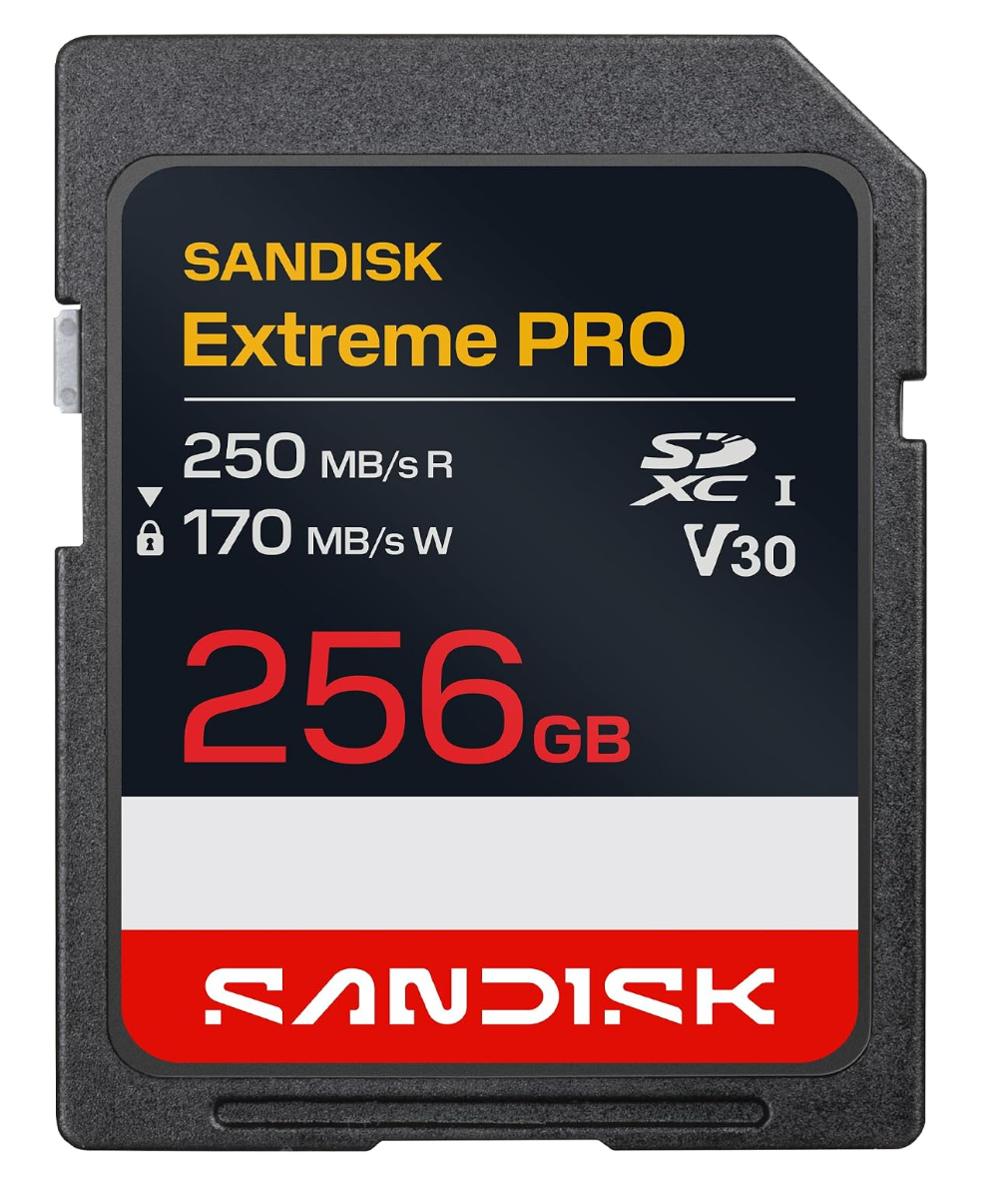
I carried multiple SanDisk Extreme Pro SD cards throughout the trip so I never had to think about storage space or deleting photos along the way.
The best travel systems remove interruptions.
This was one of them.
The Small Adapter That Made a Big Difference
One of the smallest things in my backpack ended up saving me more time than almost anything else.
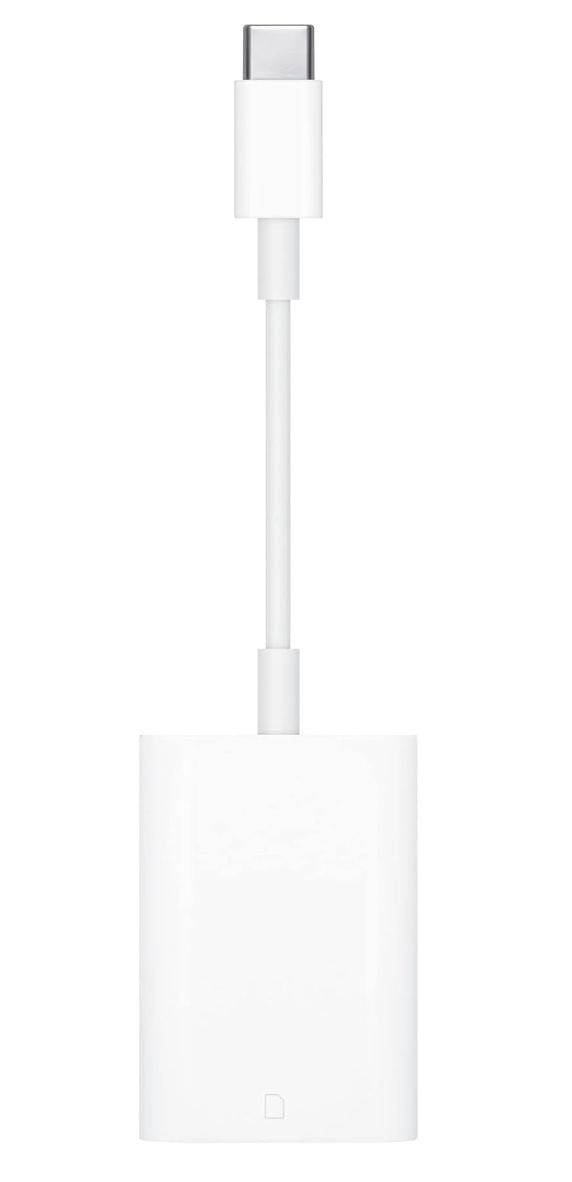
A simple USB-C SD card reader.
Every evening, I'd pull the memory card from either camera, plug it directly into my iPad Pro, and immediately start reviewing, organizing, and lightly editing the day's photos without ever opening a laptop.
It's tiny.
It costs very little.
And I honestly wouldn't travel without it anymore.
Sometimes the smallest purchases end up making the biggest difference.
The Backpack That Carried It All
I've learned that if camera gear isn't organized, I won't use it nearly as much.
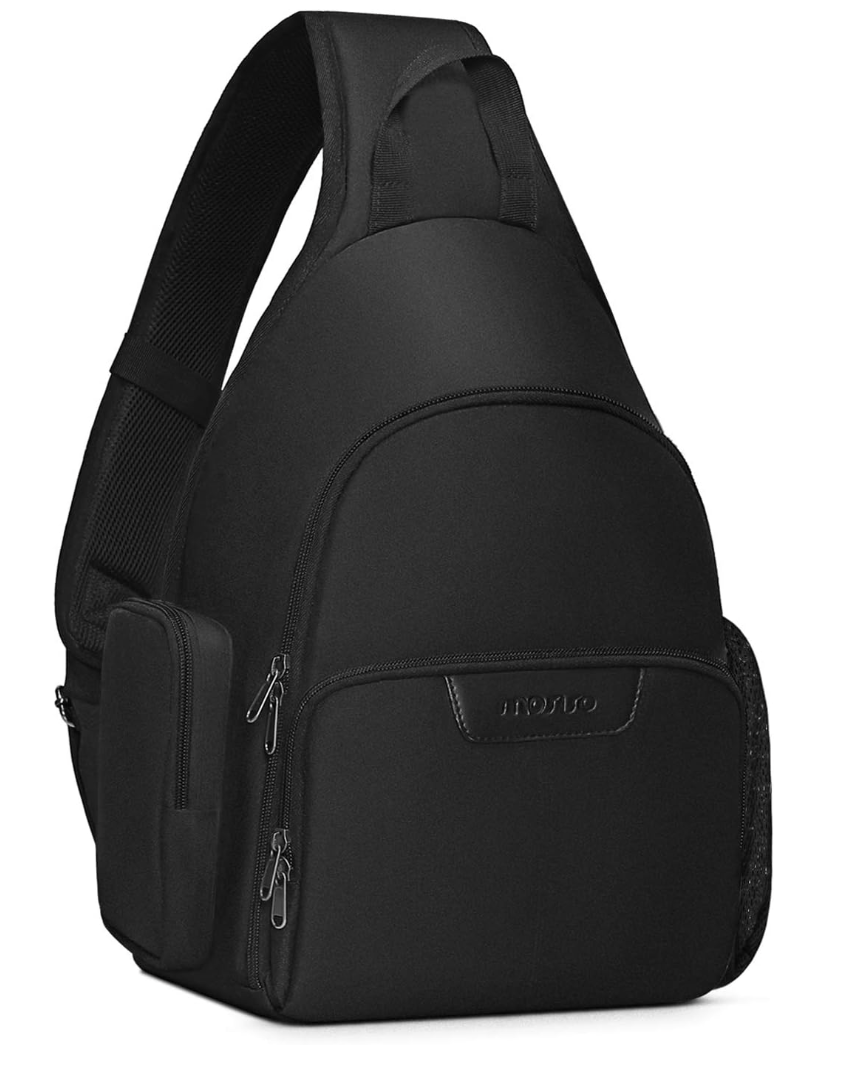
Everything traveled inside one dedicated camera backpack.
Each camera had its place.
The chargers had their place.
The batteries, memory cards, tripod, and accessories all had their own compartments.
I always knew exactly where everything was.
More importantly, I never wasted time digging through my bag looking for a battery while the light—or the wildlife—disappeared.
Good organization doesn't just protect your gear.
It makes you far more likely to use it.
The Best Gear Gets Used
I've stopped buying camera gear because it's interesting.
I buy it because it solves a problem.
One camera captures the moments happening right in front of me.
The other lets me photograph things I could never reach with my own eyes.
The extra batteries make sure the day doesn't end early.
The chargers mean tomorrow starts with a full battery.
The memory cards remove hesitation.
The little USB-C adapter lets me relive the day before I even get back home.
None of these purchases are especially exciting sitting on a shelf.
Together, though, they quietly remove obstacles.
I've found that's true of almost every purchase I end up loving.
The best gear isn't the gear with the longest list of features.
It's the gear that actually comes out of your backpack. -LME
*This post may contain affiliate links. If you purchase through these links, I may earn a small commission at no additional cost to you. I only recommend products I personally use, love, or genuinely believe are worth sharing.
Shop This Post
Enjoyed this post? Join The Best of The Edit for favorite finds, practical tips, and the most-loved posts from Looks More Expensive.